
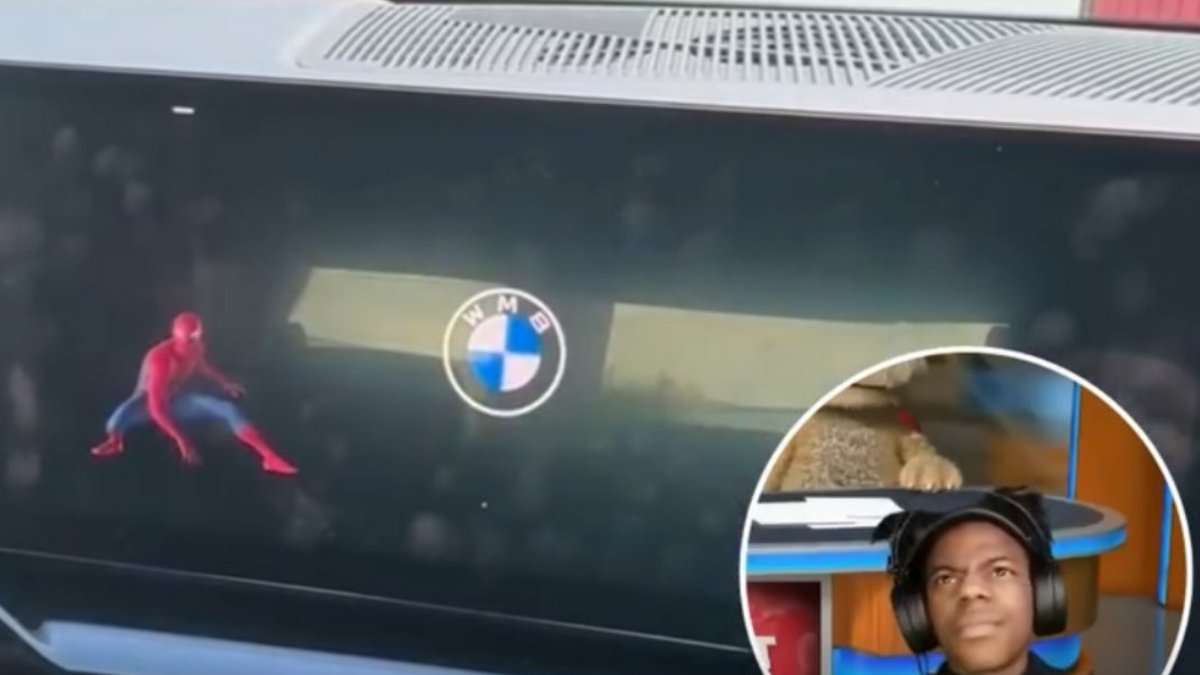
Automakers are increasingly using in‑vehicle screens to run promotions that extend beyond traditional vehicle‑related messaging, a trend highlighted by a recent BMW commercial that paired the brand’s electric SUV with a Marvel Studios release.
BMW blends movie teaser with vehicle promotion
The spot, first noticed on social media by the account @metav3rse, shows the iX3 alongside scenes from the latest Spider‑Man film. The clip is presented in a soft, friendly tone that resembles the style of past Google doodles, but it effectively delivers two messages at once: a teaser for the movie and a brand endorsement for the electric model.
BMW’s approach mirrors earlier efforts by other manufacturers. Jeep has experimented with similar cross‑promotional content, while Toyota plans to use its infotainment systems to market a subscription service for its connected‑car features. However, the BMW example stands out because it promotes a non‑automotive product, turning the vehicle’s display into a dual advertising platform.
Industry reaction and consumer sentiment
Critics argue that such tactics prioritize short‑term revenue over driver experience. The commercial has drawn criticism for turning the car interior into an extension of the broader advertising ecosystem, effectively adding another layer of marketing that passengers must watch while traveling.
Consumer advocacy groups have raised concerns that drivers may be distracted by non‑essential content, especially when the material is unrelated to vehicle operation or safety. While the ad was short enough to avoid direct legal issues, the broader implication is a shift in how manufacturers view the infotainment screen as prime real‑estate for third‑party promotions.
Automakers historically have balanced shareholder expectations with product development costs. The move toward integrating entertainment‑industry ads reflects a strategy to extract additional income streams from existing hardware without altering vehicle pricing.
Related: Dodge’s Most Powerful Charger Sixpack May Hit 600 HP
Similar cross‑promotional tactics have appeared in other tech‑focused industries, such as smart‑TV manufacturers embedding streaming service ads alongside program guides. Those cases often sparked debates about the appropriate boundary between useful information and commercial interruption, a conversation that now extends to the automotive sector.
BMW has not commented publicly on the specific commercial, but the company’s broader marketing plan emphasizes digital engagement and brand visibility across multiple platforms. The iX3, introduced as part of BMW’s expanding electric lineup, continues to receive attention for its range and performance, yet the added movie tie‑in may shift focus from the vehicle’s attributes to the entertainment partnership.
Regulators have not yet issued formal guidance on the permissibility of non‑vehicle ads displayed within a car’s cabin. Existing standards primarily address driver distraction and safety, leaving a gray area for content that does not directly impact vehicle control. As more manufacturers explore similar collaborations, policy makers may need to clarify the acceptable scope of in‑car advertising.
Industry analysts suggest that the revenue potential from such cross‑promotions could be significant, especially as automakers seek to offset the high costs associated with developing electric and autonomous technologies. By leveraging the growing prevalence of large touchscreen interfaces, brands can monetize screen time in a manner comparable to mobile app advertising.
Nevertheless, the practice raises questions about consumer tolerance. While some drivers may appreciate the added entertainment value, others could view the ads as intrusive, especially if they appear frequently or without a clear opt‑out option. The balance between generating additional income and maintaining a pleasant driving environment will likely influence how widely this approach is adopted.
Drivers will decide its fate.


