
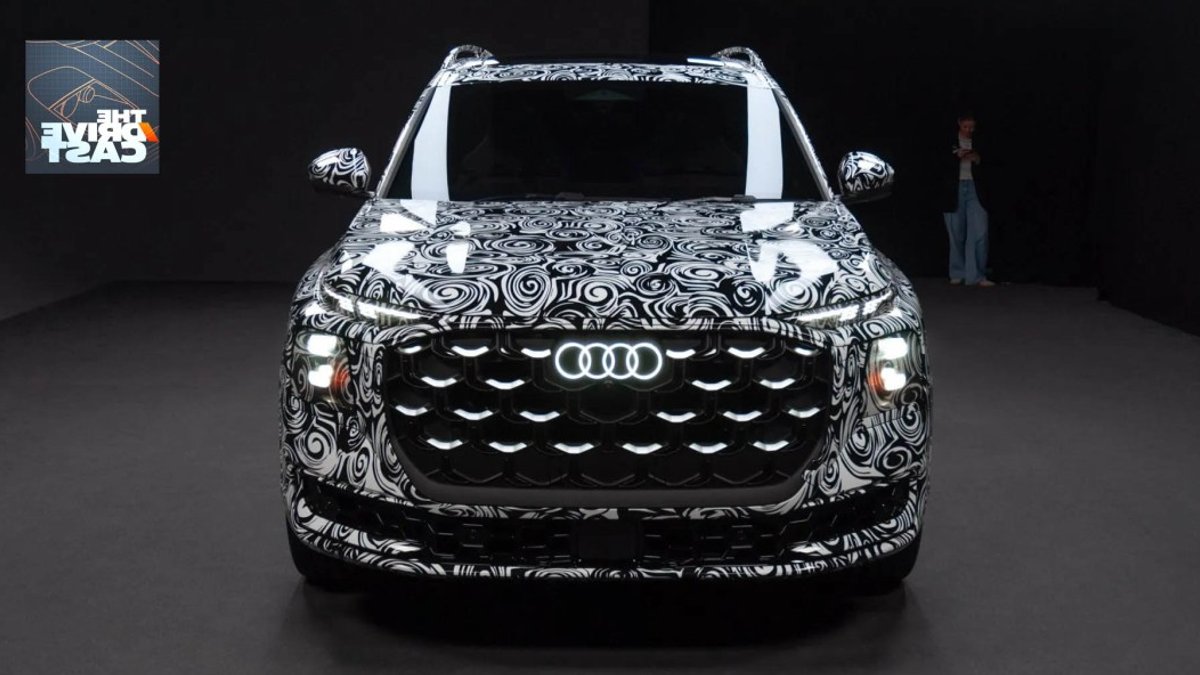
After more than a decade of lagging behind, American drivers are finally gaining access to modern headlight technology. For years, the United States has relied on outdated regulations that kept advanced lighting systems off the road. Adaptive driving beams, a feature common in Europe for years, are now making their way to U.S. dealerships. The new 2027 Audi Q7 and Q9 will introduce a digital Matrix LED system to American roads, marking a shift in how vehicles illuminate the night.
The delay wasn’t a lack of technology, but rather a legal one. U.S. headlight regulations date back to the 1980s and failed to address the capabilities of modern solid-state lighting like LEDs. Michael Kruppa, Head of Exterior Lighting for Audi, explained that automakers had to convince regulators that LEDs were reliable enough for exterior use. “We really had to convince the people that LEDs are so reliable that you really can put them in the exterior light of a car,” Kruppa said.
They had to convince regulators of the reliability of LEDs. The Infrastructure Investments and Jobs Act of 2021 finally updated these rules, allowing manufacturers to introduce advanced lighting. However, bringing these systems to the market takes time. “If a law changes in 2022, it takes years for someone to develop, even at a rapid pace, to get modern lighting over to America and meet regulations,” Kruppa noted.
Audi is cautious about light pollution and glare. The goal is to enhance safety without creating a “disco ball on wheels.” Officials want to ensure that light distribution helps drivers see obstacles like animals in ditches without blinding oncoming traffic. The new systems aim to provide a smooth light tunnel, avoiding the jerky movements that some competing systems exhibit.
Related: Stock Toyota Echo Becomes California’s Hottest Track Car
Drivers who have tested advanced systems, like the Rivian R1S, may notice a difference in behavior. Rivian’s lighting is described as “hyperactive,” constantly adapting to surroundings in a way that can feel dazzling. Audi, however, focuses on a smooth, premium experience. Their Digital Matrix LED system is designed to feel like an “opera curtain opening,” providing a consistent flow of light rather than erratic flashes.
The difference comes down to software and camera application. While the hardware can be similar, the way the system detects cars and adjusts the beam varies by manufacturer. Audi aims to provide a seamless experience where the driver feels safe and informed, rather than distracted by a constantly changing light show. This is particularly important for new car buyers, who value advanced features like adaptive driving beams.
For American consumers, this transition means a significant upgrade in nighttime visibility. The new headlights simulate daylight colors, which helps reduce eye strain, and provide a wider field of view. This technology moves the industry from a reactive system—where the driver must toggle high beams—to a proactive one that automatically adjusts to the environment.
It is a major improvement.


