
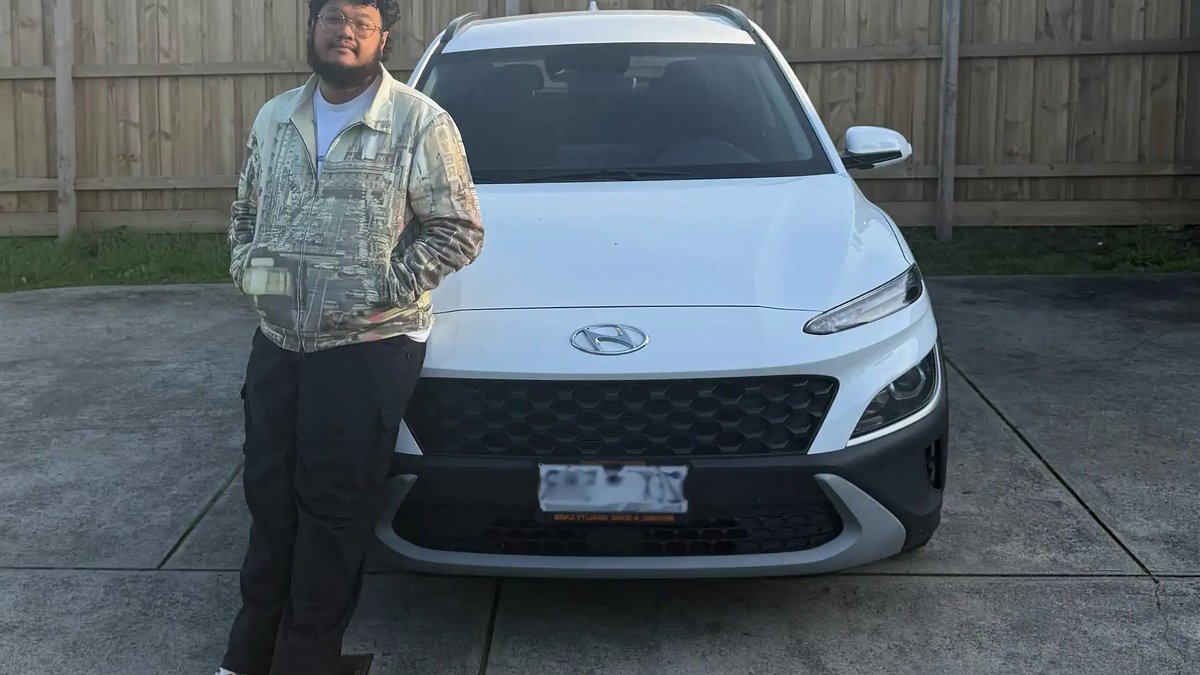
After the untimely death of a 2006 Toyota Corolla, one individual embarked on a search for a used SUV that could accommodate their needs and their partner’s. With a budget that did not allow for a new vehicle purchase, the goal was to find a model with less than 100,000km, modern safety features, and Apple CarPlay integration. A two-week search eventually led to a 2021 Hyundai Kona, chosen for its availability and affordability.
The Private Market Risks
The search for a 2021 Hyundai Kona narrowed to five options: three from private sellers and two from local dealers. A $3,000 to $5,000 price difference between private and dealer listings tempted consideration of the former. However, two encounters with private sellers raised concerns. The first listing was crossed off after the owner allegedly lost the servicing logbook and became irate when questioned about mechanical work. The second seller failed to disclose gutter rash on the wheels and scratches on the door and rear.
After wasting two hours on a weekend, the individual felt vulnerable about trusting a stranger with the vehicle’s condition. While not all private sellers are untrustworthy, the experience highlighted the lack of consumer protection in the private market. A July 2026 report by Consumer Affairs Victoria investigated odometer tampering through used cars sold by unlicensed motor vehicle traders posing as private sellers online, exposing significant risks for buyers.
The report analyzed 50 vehicles from offenders and found that 28% of advertised cars had their odometers wound back by over 25,000km. One case study involved a Nissan X-Trail with its odometer rolled back by 225,116 kilometers, from 355,166km to 130,000km. The seller claimed to be selling “on behalf of a family friend” and downplayed damage in the listing.
Dealer Protections vs. Private Sellers
In Victoria, licensed dealers who sell four or more cars annually must hold a motor car trader’s license. These dealers provide statutory warranties for used vehicles less than 10 years old with fewer than 160,000 kilometers, including a three-month/5,000km warranty and a three-business-day cooling-off period. Buyers also benefit from clear title guarantees and access to the Motor Car Traders Guarantee Fund, which can cover up to $40,000 for financial losses due to dealer misconduct.
Rod Lofts, a senior technical writer at VACC, noted that private sales lack these protections. “If something goes wrong after the sale, the buyer’s options for recourse are very limited. It is also the buyer’s responsibility to check that the car isn’t stolen or under finance,” he explained. Mark Jackson, a member support manager at MTA NSW, emphasized that licensed dealers are legally required to ensure vehicles are safe and disclose accident history, with obligations under the Australian Consumer Law to provide vehicles of acceptable quality.
Dealer Legal Obligations and Consumer Safeguards
Dealers in Victoria must complete a safety inspection before reselling a vehicle. They are required to disclose any prior accidents and verify the car’s status through the Personal Property Securities Register. This ensures the vehicle is not stolen or encumbered by outstanding finance. Mark Jackson noted that these steps are mandated under the Australian Consumer Law, which guarantees vehicles are of acceptable quality and free from defects.


