
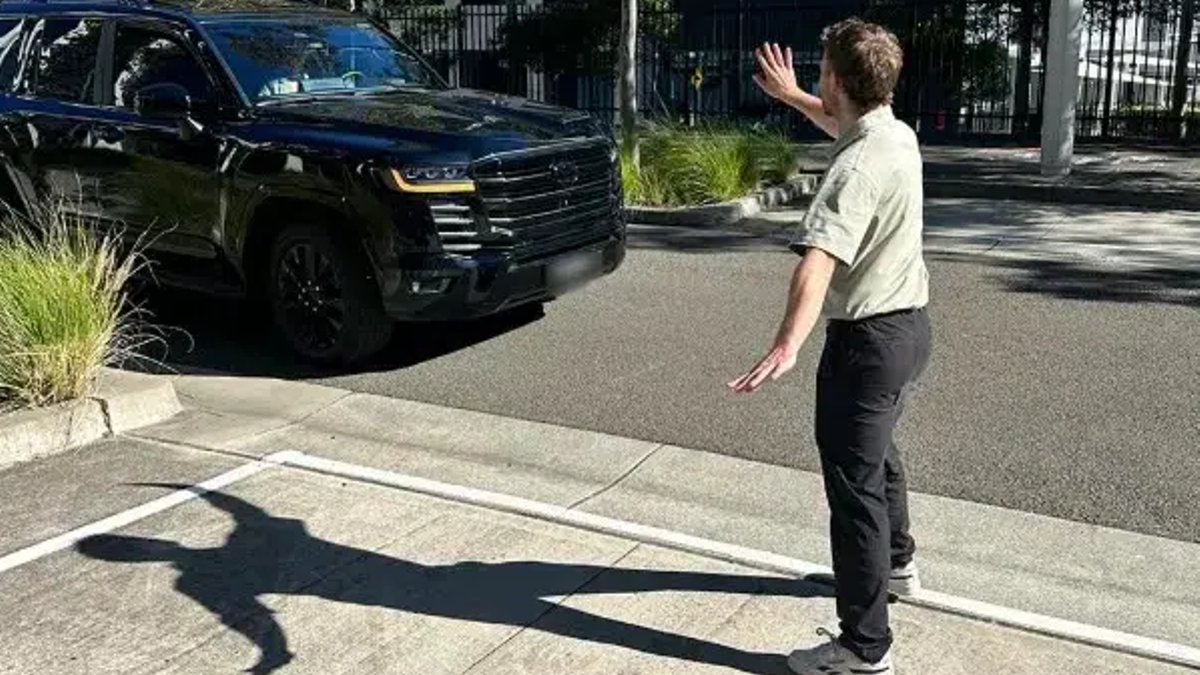
Drivers across New South Wales have been reminded that reserving a free parking space is neither allowed nor safe, after a Transport for NSW post sparked a wave of online comments.
Transport for NSW says “no” to spot-saving
The agency posted on its official Facebook page in October 2026 that motorists cannot physically hold a space for a friend. The notice read, “Let’s get to the bottom of this. Short answer is, no! You can’t ‘reserve’ or ‘mind’ a parking space for your mate.” This direct wording was intended to clear up any misunderstanding about the legality of the practice.
Officials added that standing in a lane creates a traffic hazard and violates the law. They described the habit as “dodgy” and warned that violators could face a fine. The department emphasized that safety must come before personal convenience.
Public reaction and legal backdrop
One commenter wrote, “No excuse: first come, first served. Parking spot is not a plane ticket with booked seat in advance.” Another user urged the post be shared widely to discourage the behavior, suggesting that broader awareness could reduce incidents.
Under NSW Road Rules 236, pedestrians must not unreasonably obstruct a driver’s path. That regulation aims to keep car parks moving smoothly and protect both drivers and walkers from unnecessary delays.
Read Also: Tesla unveils rocket-powered Roadster that flips upside down
For drivers stuck in a crowded lot, this clarification removes uncertainty about whether a waiting friend is breaking the law. It reinforces the expectation that spaces are earned on the spot, not held in advance, and helps motorists understand their rights.
The maximum court-imposed fine in New South Wales is 20 penalty units, equal to $220, though most citations are issued at $94. These amounts reflect the seriousness with which authorities treat the obstruction.
In Victoria, the same breach carries a $203 penalty. Queensland pedestrians are likely to be fined $174. Tasmania’s charge is $159, while Western Australia sets a $100 fine for similar conduct.
South Australia applies the rule only on public roads, not in shopping-centre car parks, according to a Department of Transport spokesperson. The ACT confirmed the act is illegal there but did not disclose the exact penalty. In the Northern Territory, the behavior is also prohibited, though the legislation does not specify a monetary amount.


