
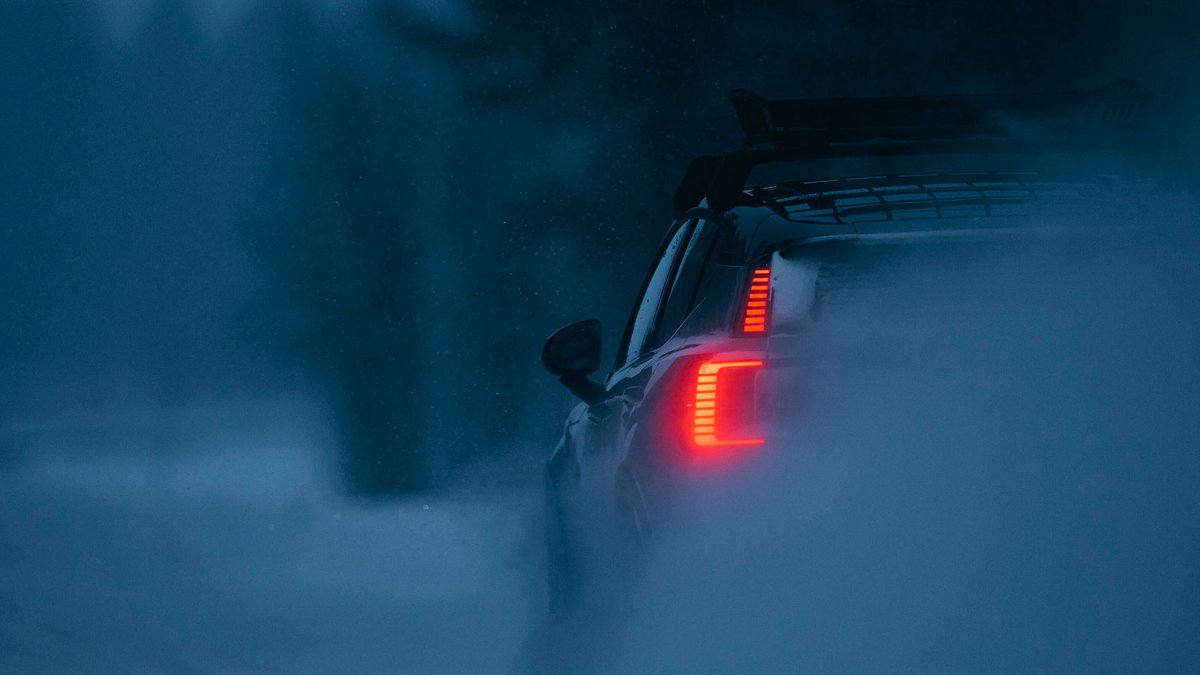
Over half of animal-related car crashes happen in darkness, according to new data from Volvo. The Swedish automaker examined Department for Transport statistics from 2021 to 2025 and found that 1,939 people were killed or injured in collisions with animals during that period. Of the 1,503 recorded collisions, 54 percent occurred in the hours of darkness.
Timing and Location of Incidents
The analysis revealed that only 28 percent of animal collisions involving reported injuries happened at night. Despite the prevalence of these accidents in low light, the hour between 9 p.m. and 10 p.m. saw the highest number of incidents overall. Three in 10 of these animal-related crashes took place between 7 p.m. and midnight.
As British Summer Time ends and nights lengthen, the risk increases for drivers. However, the data shows that sunny August was actually the month with the highest volume of incidents, with 157 recorded. October and November followed with 151 and 141 collisions respectively.
Read Also: Alfa Romeo Giulia Veloce holds up against German rivals
Regional disparities also exist in the data. The Metropolitan Police area recorded 123 incidents, likely due to the high population density of London. Police Scotland had 96 collisions across its vast area, which includes remote rural locations. Hampshire Constabulary reported 80 incidents, a figure driven by the large deer and wild horse populations in the New Forest. At the other end of the scale, South Wales Police logged only three accidents involving animals.
Technology and Driver Responsibility
Although UK drivers are unlikely to encounter elk on the road, Volvo has invested in safety technology since the 1980s. In 2016, the company added Large Animal Detection to its safety suite. This system uses sensors to identify wildlife on the road, assess the collision risk, and apply the brakes automatically if necessary. Earlier this year, Volvo expanded its Connected Safety systems to include Large Animal Alerts. This feature warns other Volvos in the area if a driver spots an animal on the road.
For the average motorist, the most effective defense remains simple: staying alert. Animals can appear with little warning, especially on rural roads where visibility drops significantly. Adapting speed to the conditions is essential, particularly during darker winter journeys.


