
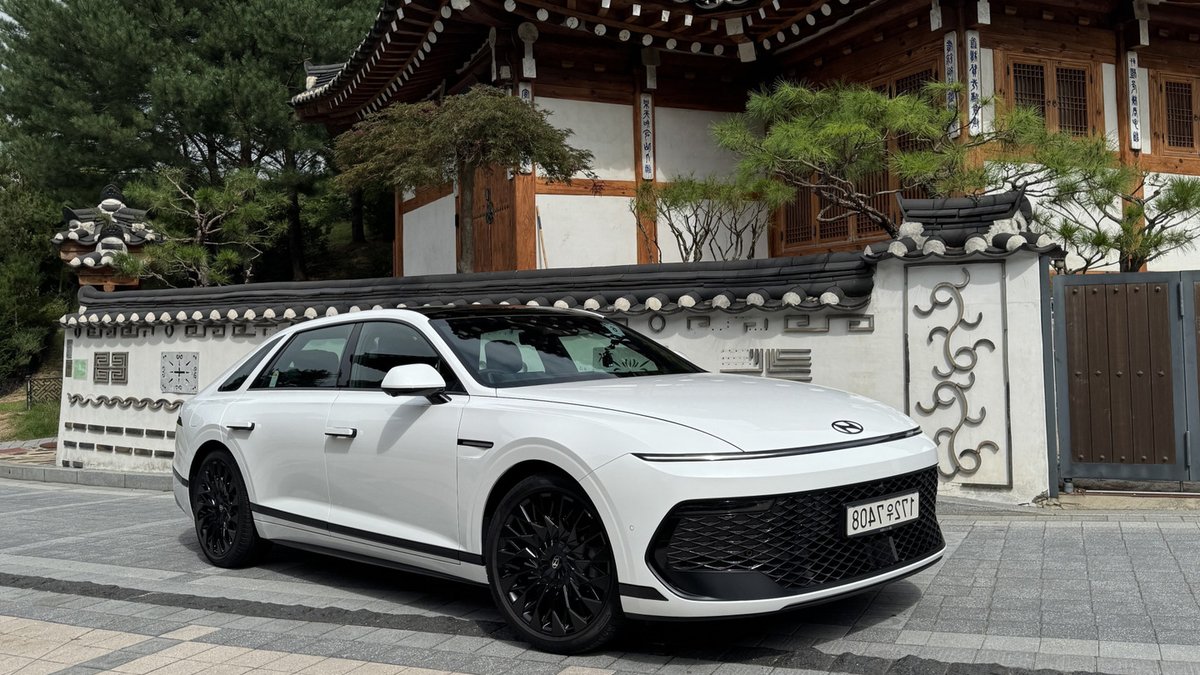
The Korean‑market Hyundai Grandeur arrives with sleek styling and a high‑tech cabin, yet its base engine leaves most drivers wanting more power.
Powertrain lineup and real‑world acceleration
South Korea offers four engine choices for the sedan. The entry model pairs a naturally aspirated 2.5‑liter inline‑four with 195 hp and 183 lb‑ft of torque.
A larger 3.5‑liter V6 pushes 295 hp and 265 lb‑ft. A hybrid combines a turbocharged 1.6‑liter unit for a total of 235 hp. An LPG‑compatible V6 delivers roughly 236 hp.
During a brief test drive, only the base four‑cylinder was available. Hyundai claims the V6 can sprint from 0 to 62 mph in 7.5 seconds, while the entry engine is rated at 9.3 seconds.
In practice, the modest engine struggled on a modest uphill merge. Full throttle produced a high‑pitched whine, yet the car failed to keep pace with surrounding traffic.
Seoul’s speed limits are generally low, but the under‑powered feel contrasts sharply with expectations for a midsize luxury‑adjacent sedan.
The hybrid’s claimed 8‑second 0‑to‑62 time suggests a noticeable improvement, though no direct comparison was possible.
Cabin space, materials, and infotainment
The interior feels expansive even for a driver over six feet tall. Seat travel required little adjustment, and the front seats offer generous cushioning with subtle side support.
Rear occupants benefit from ample legroom, though headroom is modest due to the sedan’s elongated roofline.
Materials range from soft upholstery on the seats and door panels to hard plastics beneath the armrests, stopping short of full luxury grade.
Hyundai’s new Pleos Connect system dominates the dashboard. A 17‑inch central touchscreen pairs with a slim driver‑focused display and a colorful head‑up display.
Physical buttons remain for climate control and volume, mitigating the need to reach for the screen for every adjustment.
Navigation cues appear simultaneously on the HUD, driver display, and central screen, allowing the eyes to stay on the road.
The blind‑spot camera moved from a dedicated driver display to the central screen, and the feed can be swiped to any corner for personal preference.
Wireless Apple CarPlay connected without issue, and users can toggle between light and dark visual themes.
Initial unfamiliarity with the interface gave way to smoother operation after a short learning period.
The cabin feels modern.
Handling, ride quality, and what it means for buyers
Steering feels light and lacks feedback, contributing to noticeable body roll on a winding on‑ramp.
Lane‑keep assist functions reliably, but the sedan’s character leans toward comfort rather than agility.
Sport mode, accessed through the touchscreen, merely holds gears longer and nudges shift points forward, offering limited excitement with the four‑cylinder.
Ride quality remains plush, absorbing road imperfections with ease.
For consumers seeking an affordable near‑luxury experience, the lack of a robust engine may deter those accustomed to stronger acceleration.
Choosing a higher‑output powertrain could transform the car from a comfortable cruiser to a more engaging sedan, aligning it with rivals that blend tech and performance.
In markets where the V6 or hybrid options are sold, the Grandeur could appeal to buyers who value spacious interiors and modern infotainment without paying premium prices.
Potential owners will need to weigh the trade‑off between the sedan’s upscale cabin and its modest propulsion.
Safety equipment includes forward‑collision warning, autonomous emergency braking, and adaptive cruise control, all of which operate quietly in everyday traffic.
Warranty coverage mirrors Hyundai’s standard offering, extending several years and a generous mileage limit, which may reassure long‑term owners.
Pricing positions the Grandeur below European competitors while still delivering many of the same technological comforts.
Hyundai reported that the facelifted model topped Korean sales charts for a period after the Azera’s withdrawal from the U.S. market.
As of the test, the base engine’s acceleration claim remains slower than the V6 variant, which is positioned as a quicker alternative.
Official specifications note that the hybrid’s powertrain delivers a combined output that rivals the V6, while torque matches the entry model.
The vehicle’s dimensions place it in the midsize segment, with a wheelbase that supports the roomy cabin.
External reference: Hyundai Grandeur Wikipedia page.


