
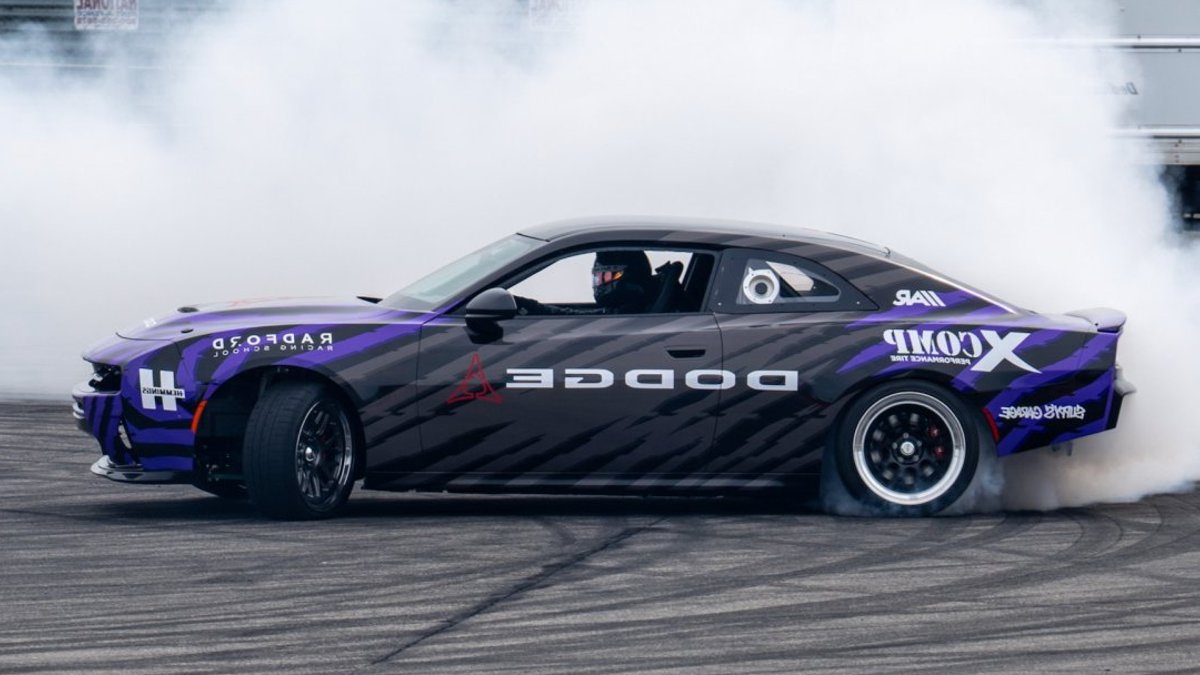
Stellantis is attempting to generate enthusiasm for the new Dodge Charger through a motorsport-focused initiative. The automaker has commissioned a pair of drift cars designed to showcase the capabilities of the car’s powertrain. These vehicles will make their debut at Roadkill Nights in suburban Detroit before traveling to other automotive lifestyle events.
The project includes two distinct models: a coupe named the Boost and a sedan called the RPM, which stands for Rapid People Mover. The sedan is specifically designed to give rides to attendees at various automotive gatherings. Following the initial showing in Michigan, the cars will head to the Gridlife event at Laguna Seca and FuelFest in Arizona.
High-Performance Modifications
The builds began with the Sixpack H.O. specification of the twin-turbo 3.0-liter inline-six engine. This factory configuration is rated at 550 horsepower and 531 pound-feet of torque. To prepare the cars for drifting, engineers significantly upgraded the output to what Stellantis terms a “conservative estimate” of 750 horsepower.
Both vehicles received aftermarket turbos, new intakes, and MoTec engine management systems. The coupe utilizes a single-turbo setup and features a new exhaust system. The sedan took a different path, receiving new intercoolers and upgraded cooling-system hardware. These changes were likely implemented to ensure reliability during the repeated taxi rides the RPM will perform at events.
Related: 1984 Lola with Le Mans class win listed for sale
Drift-Ready Chassis
A drift car requires more than just engine power, so the stock all-wheel-drive system was removed. Both Chargers were converted to pure rear-wheel drive, ditching the front-axle disconnect found in the production versions. The factory eight-speed automatic transmissions were swapped out for manual gearboxes to give drivers greater control.
Standard safety modifications were also part of the build process. The cars now feature roll cages, reinforced driveline components, and widened fenders to accommodate the changes. These modifications transform the vehicles from street machines into competition-ready platforms.
This strategy suggests that Stellantis is attempting to shift the narrative surrounding the Charger from engine displacement to capability. By pushing the platform’s adaptability in motorsport settings, the company hopes to build credibility with a community that remains skeptical of electrified performance. If these vehicles can dominate on the track, they might eventually convince buyers that the Hurricane engine can offer a visceral experience comparable to the old V8.
Marketing Strategy
The new Charger has faced criticism for missing the appeal of its predecessor. The previous generation was beloved largely because it provided an affordable, accessible route to rear-wheel drive and V8 power. While the new model technically superior and features styling cues from the 1968 classic, it has not resonated with the core audience in the same way.


