
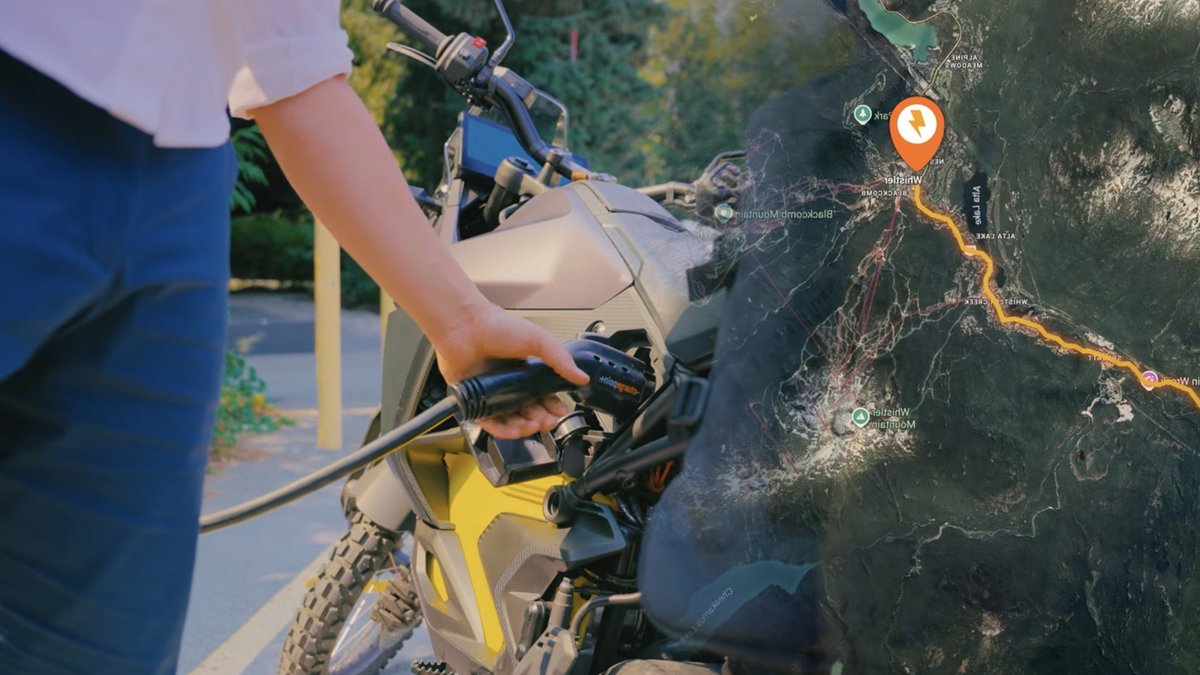
Electric motorcycles are not designed for cross-country speed—their long recharge times and short range force riders to move deliberately, and that deliberate pace may be the core appeal. A recent road trip by FortNine, a motorcycle-focused YouTube channel, tested the Can-Am Origin, an electric dual-sport bike with an 89-mile range and charging times that often exceed an hour. The journey was not about efficiency but about immersion in the surroundings.
The bike’s limitations became part of the experience. In Brittannia, the rider stopped to explore an abandoned copper mine that once produced 19 % of the world’s copper. In Whistler, he spent extra time at a cultural centre sampling locally baked bread, finishing only after the Origin’s battery finished recharging. In Lillooet, a dead charger redirected him to a vape shop, where the scenery, not the store, made the detour worthwhile.
Even the bike’s physical constraints added to the adventure. Wildfire-related road closures forced the rider off-course, testing the Origin’s off-road abilities in the dark. He later collided with a deer, an incident documented separately, but the bike remained upright, and both rider and animal emerged unharmed. The trip ended prematurely, likely due to caution after the collision, leaving questions about the remainder of the journey unanswered.
Read Also: Police cars have upgraded brake systems
The charging process itself took on ritualistic qualities. Unlike a five-minute gas stop, an electric motorcycle’s recharge demands a prolonged pause. As the source puts it, “Until EV motorcycles can recharge 200 miles of range in five minutes, they force you to slow down and experience the places you visit, not just pass through them.”
A separate test of the Zero S, another electric bike with a 150-mile range, highlighted similar trade-offs. Collin Woodward, a previous rider, described the charging delays as stressful during a road trip, but FortNine’s approach differed. They treated downtime as an intentional break rather than an inconvenience. The Origin’s shorter range, less than half that of the Zero S, meant more frequent stops, each serving as an excuse to explore further.
The author notes that traveling this way was the most enjoyable aspect of his van-life journey, spending time in communities rather than merely passing through, from a single night making friends in a Walmart parking lot to an entire winter in the Arizona desert. It’s also what adventure riders love about long-distance journeys, particularly through countries and cultures that aren’t their own.


