
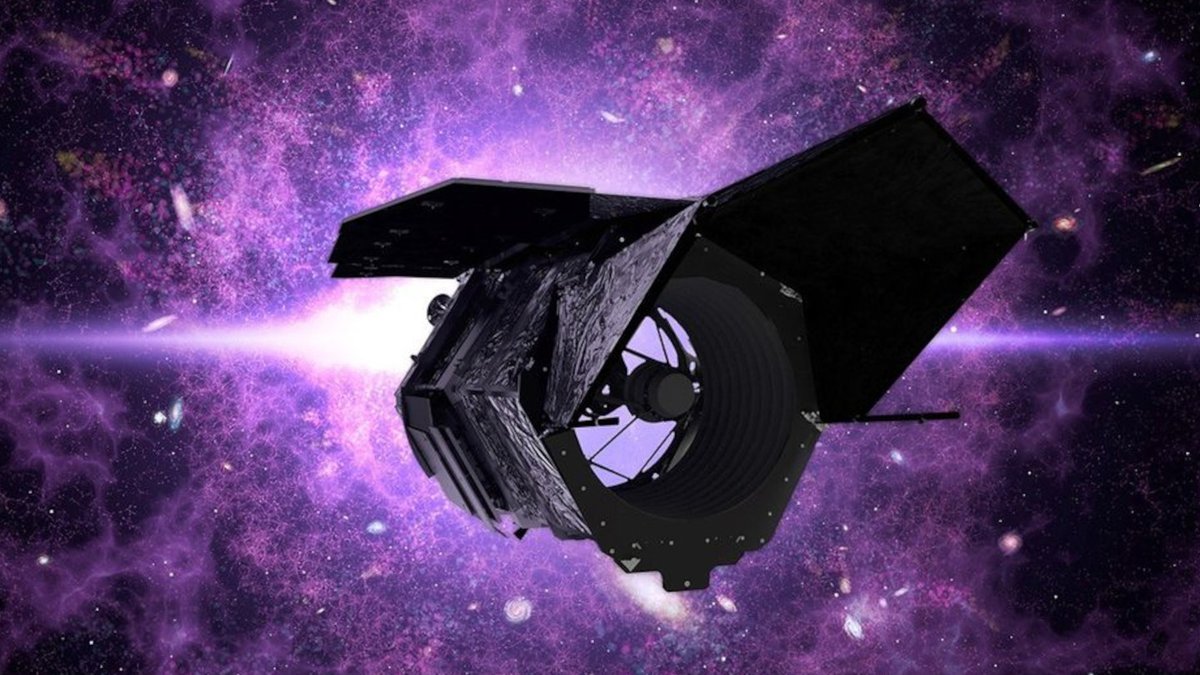
NASA’s Nancy Grace Roman Space Telescope has more than doubled the operational period it was expected to achieve before arriving at its destination. The observatory lifted off on August 30 and is now slated to function for 22 years, a substantial increase from the original 10-year projection.
The extension results from an exceptionally efficient initial maneuver that consumed under 10% of the fuel set aside for the burn. That precise action preserved 40 pounds of the 441-pound fuel allocation, which translates into an added four years of mission life. In addition, the spacecraft shed about 4,000 pounds, allowing the fuel tank to be filled to its full capacity and granting extra operational years. Combined, these factors bring the total mission extension to 12 years.
Fuel Efficiency and Engineering Triumphs
The successful first burn creates a ripple effect for later course-correction burns. Because the initial consumption was so low, the second burn will require markedly less propellant, which in turn stretches the spacecraft’s usable lifespan even further. This cascade of savings contributes to the overall longevity already described.
Read Also: Ford and Ferrari eras that shaped car culture
A New Era of Discovery
With the prolonged timeline, the Roman telescope will concentrate on locating new galaxies and other celestial phenomena. Its Wide Field Instrument (WFI) is capable of recording images 200 times larger than those captured by the Hubble Space Telescope. The activation sequence for the WFI involved heating the detectors to 85 °F before cooling them down to -300 °F. The first scientific pictures are expected later this year or early next, once the observatory settles at Earth’s Lagrange Point 2 (L2).
A Mission to Outpace Hubble
The survey plan calls for the Roman telescope to map the sky at a rate never before achieved. It is anticipated to record 50 times more sky area than Hubble did over a 30-year span, and it aims to accomplish this within its initial five-year operational window.
With the fuel budget that supports the planned 22-year duration and the successful instrument checkout, the Roman telescope is set to advance our knowledge of the cosmos.


