
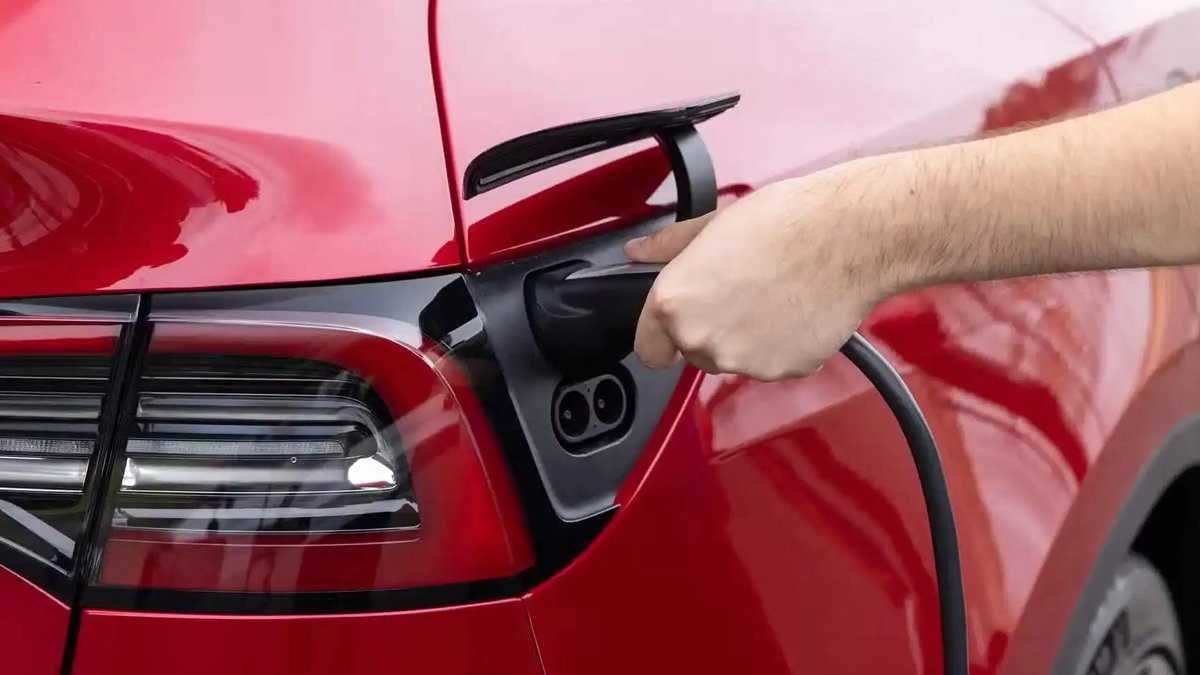
In 2026, electric vehicles have become mainstream in Australia, with battery-powered car sales surpassing petrol and diesel models for two consecutive months. According to the Electric Vehicle Council’s State of EVs report, 11,602 public charging points exist across 4,268 locations nationwide. This represents an 18 per cent increase in public sites and a 41 per cent rise in connectors from the previous year.
New South Wales Leads in Public Charging Infrastructure
New South Wales holds the highest number of public EV charging points at 4,726. Of these, 1,985 are DC connectors, accounting for 42 per cent, while 2,741 are AC charging plugs. All electric cars sold in Australia since 2020 support both AC and DC charging. The state has reduced its EV-to-fast-charger ratio from 134 to 114, with 39 per cent of its ultra-fast chargers.
The NSW government allocated $16.5 million for kerbside EV chargers in municipalities including Blue Mountains, Camden, Campbelltown, Hawkesbury, and Wollondilly. This investment targets local infrastructure gaps as EV adoption accelerates, addressing underserved suburban and regional communities.
Victoria’s Charging Network and Local Trials
Victoria reports 2,400 public EV charging points, with 1,316 DC connectors and 1,084 AC plugs. The state maintains approximately 193 EVs per 100kW ultra-fast charger. Some councils, like Yarra City, have launched a two-year kerbside EV charger trial with 22kW chargers across 26 locations, aiming to improve urban accessibility for residents without dedicated parking spaces.
Queensland’s ‘Electric Superhighway’ and Growth
Queensland’s public charging network includes 1,782 plugs, with 57 per cent (1,019) as DC connectors and 763 AC points. The state completed its ‘electric superhighway’ in 2025, featuring 54 fast chargers spanning coastal and inland routes to support long-distance travel across its vast geography. With 154 EVs per 100kW public charger, infrastructure growth lags behind vehicle adoption.
South Australia and Western Australia’s Infrastructure Challenges
South Australia has 1,047 public EV charging points, split between 436 DC and 609 AC connectors. The state’s EV-to-charger ratio rose from 55 to 77 per 100kW, indicating infrastructure shortages relative to its growing EV fleet. Western Australia reports 1,006 public plugs, with 64 per cent (639) AC and 367 DC connectors. The state’s 7,000km coastal supercharger highway, completed in 2025, covers 49 locations but still faces high demand, with 207 EVs per ultra-fast station, highlighting the need for further expansion in remote areas.
Tasmania and the Northern Territory’s Limited Networks
Tasmania’s charger network totals 270 points, with 153 DC and 117 AC connectors. The state bears the highest EV-to-charger burden at 208 EVs per fast charger, reflecting challenges in servicing its dispersed population. The Northern Territory has only 90 public chargers, 50 DC and 40 AC. Its 51 EVs per 100kW ultra-fast charger represents the lowest ratio in Australia, showing the limited infrastructure in sparsely populated regions.
Australian Capital Territory’s Declining Ratio
The ACT provides 233 public EV charging connectors, including 150 DC and 133 AC points. Its EV-to-fast-charger ratio dropped from 224 to 204 per 100kW in 2026, suggesting infrastructure improvements are slightly outpacing vehicle growth through targeted urban projects.
Infrastructure Gaps Across Australia
While public charging points expanded significantly in 2026, disparities persist. States like NSW and Victoria have robust networks, but Tasmania and the Northern Territory struggle with limited infrastructure. The rapid growth of EV sales, with 26,287 battery-powered cars sold in Australia in 2026 alone, highlights the need for continued investment. Infrastructure development often lags behind adoption trends, particularly in regions with sparse populations or challenging geography.


